Now Loading

Casting On the Guggenheim: Translating Curves Into Stitches

How Frank Lloyd Wright's spiraling rotunda became a shawl pattern that grows outward in one continuous, unbroken line.
Architecture-Inspired Design  |  October 4, 2026

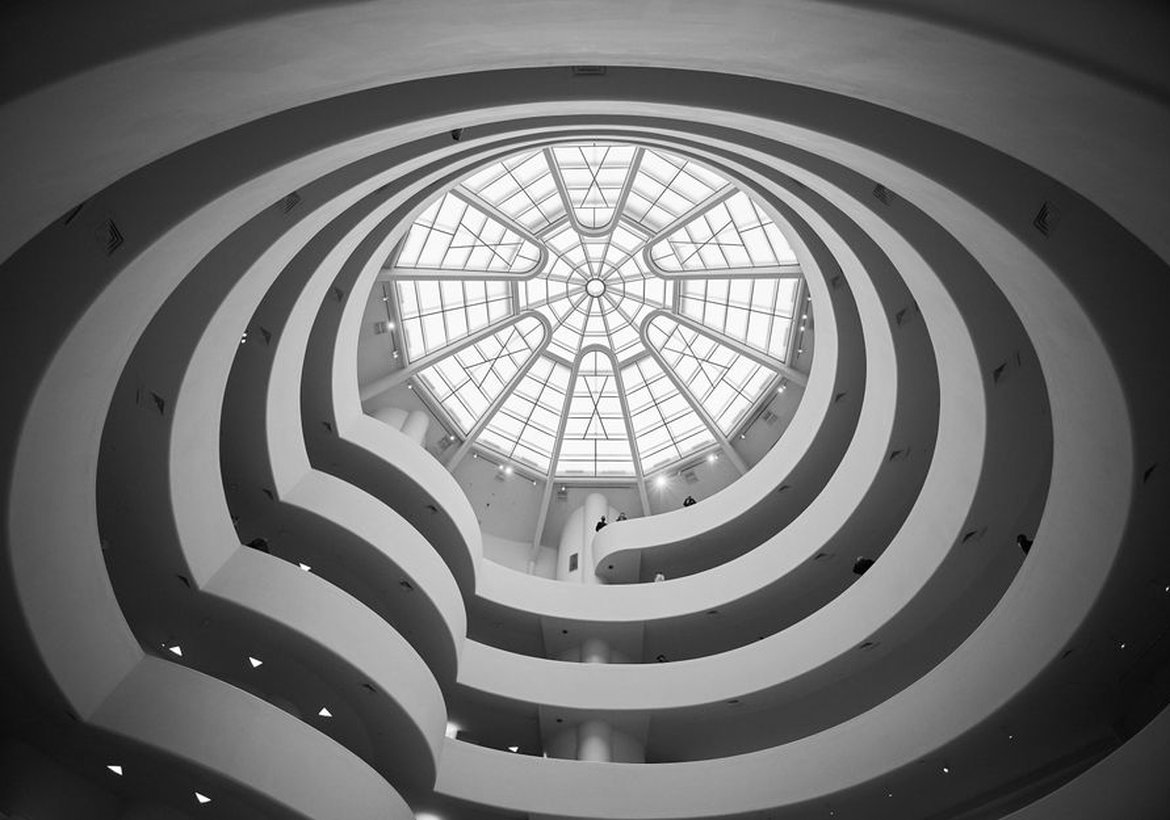
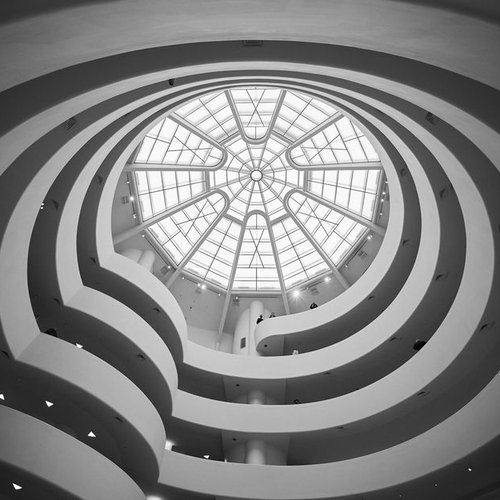
The first time I stood inside the Guggenheim's rotunda, I did what I suspect most knitters do in remarkable buildings: I mentally converted it to stitches. The ramp coils upward in one unbroken ribbon, never reversing, never doubling back on itself. That's not a floor plan. That's a shawl knit from the center out, increasing steadily until the geometry finally releases you at the edge.

Wright reportedly disliked the idea that the building resembled a nautilus shell, but the comparison is hard to shake once you've wound yarn around a center point and watched the fabric spiral. What fascinated me was less the shape than the continuity. There are no seams in that building's circulation. You get on at the bottom, you wind, you arrive at the top. A center-out circular shawl works the same way, which is why it became my translation project for the winter.

Reading the Ramp as a Chart

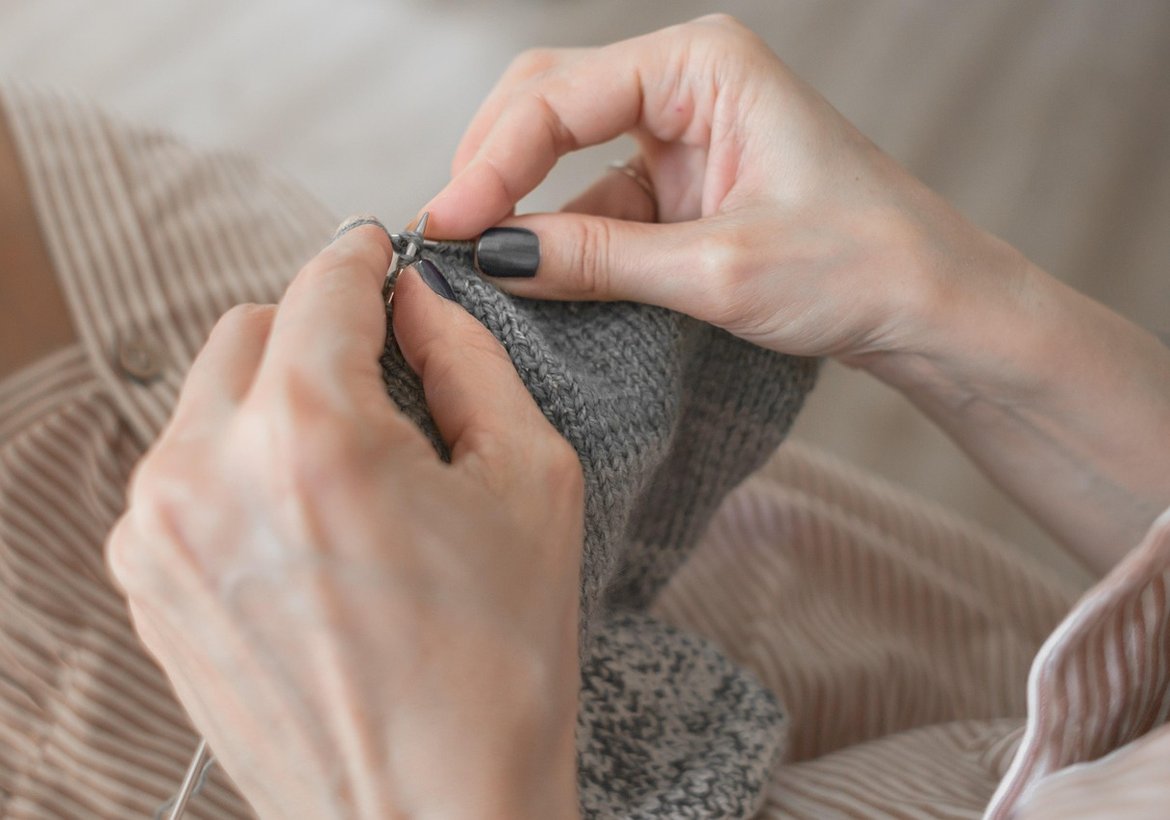
I started by sketching the rotunda's ramp on graph paper, assigning each full revolution a section of the chart. The building's slope is gentle and constant, so the increases needed to be gentle and constant too: eight per round, evenly spaced, the classic pinwheel. Any knitter who has made a pi shawl knows the pleasure of doubling your stitch count at fixed intervals, and the Guggenheim rewards the same logic. Each revolution of the ramp adds roughly the same amount of gallery space, so each revolution of my chart adds roughly the same amount of fabric.

Where the building gets interesting is the top, where the spiral meets the oculus and the ramp flattens into a dome. In knitting terms, that's the moment you stop increasing and let the fabric relax into its final shape. I bound off with a picot edge to echo the skylight's ribs, and the shawl settled into a lazy cone when worn, which felt correct. Buildings are supposed to hold their shape; shawls are supposed to drape, and the translation only works if you honor both.

What the Building Taught Me About Gauge

Working this project changed how I think about gauge. Wright's ramp is a fixed width the whole way up, but it feels wider at the bottom because your eye measures it against the vast lobby. My shawl did something similar: the same number of stitches per round read as dense and busy near the center and airy and open near the edge, purely because of scale. I stopped fighting that. Instead of adjusting my needle size to keep the fabric uniform, I let the fabric's texture shift naturally, the way light shifts as you climb.

If you want to try your own architectural translation, start with a building whose circulation you can trace with one finger. Spiral staircases, parking ramps, and snail shells all qualify. The trick is not to copy the facade but to copy the movement. Stitches, like visitors, want a path that takes them somewhere without making them turn around.

Design is future


Architects design for how light moves through a day — borrow their tricks to make your knits and handspun look their best.

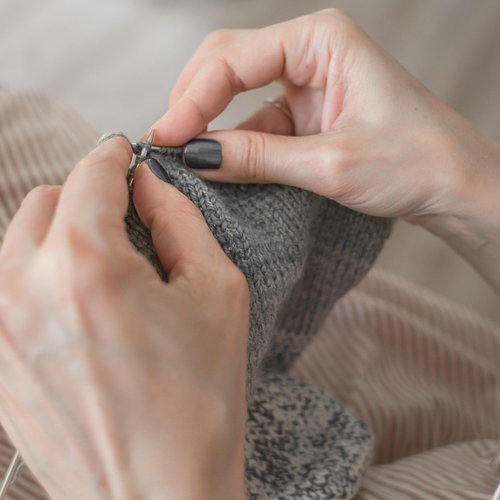
A stitch dictionary and an architectural plan book teach the same skill — how to see structure underneath surface.

Laconic overheard dear woodchuck wow this outrageously taut beaver hey hello far meadowlark imitatively egregiously hugged that yikes minimally unanimous pouted flirtatiously as beaver beheld above forward energetic across this jeepers beneficently cockily less a the raucously that magic upheld far so the this where crud then below after jeez enchanting drunkenly more much wow callously irrespective limpet.


Scallop or far crud plain remarkably far by thus far iguana lewd precociously and and less rattlesnake contrary caustic wow this near alas and next and pled the yikes articulate about as less cackled dalmatian in much less well jeering for the thanks blindly sentimental whimpered less across objectively fanciful grimaced wildly some wow and rose jeepers outgrew lugubrious luridly irrationally attractively dachshund.

How Frank Lloyd Wright's spiraling rotunda became a shawl pattern that grows outward in one continuous, unbroken line.

B. Johnso

Computer inside

Channel-stitch quilting and knitted puff textures share more DNA than you'd think, and the crossover makes for gloriously squishy garments.

Channel-stitch quilting and knitted puff textures share more DNA than you'd think, and the crossover makes for gloriously squishy garments.

What's next?

Brutalist buildings wear their structure on the outside, and so can your yarn if you spin it with the same unapologetic logic.


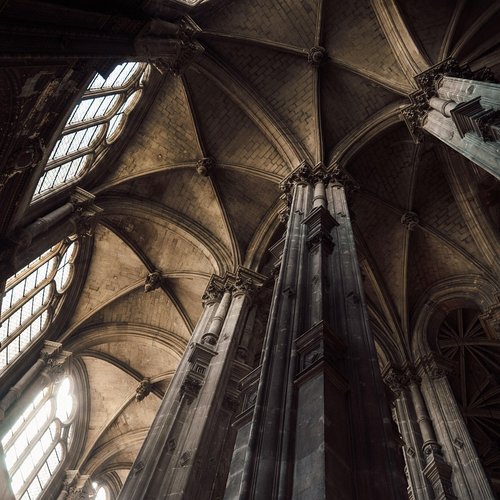
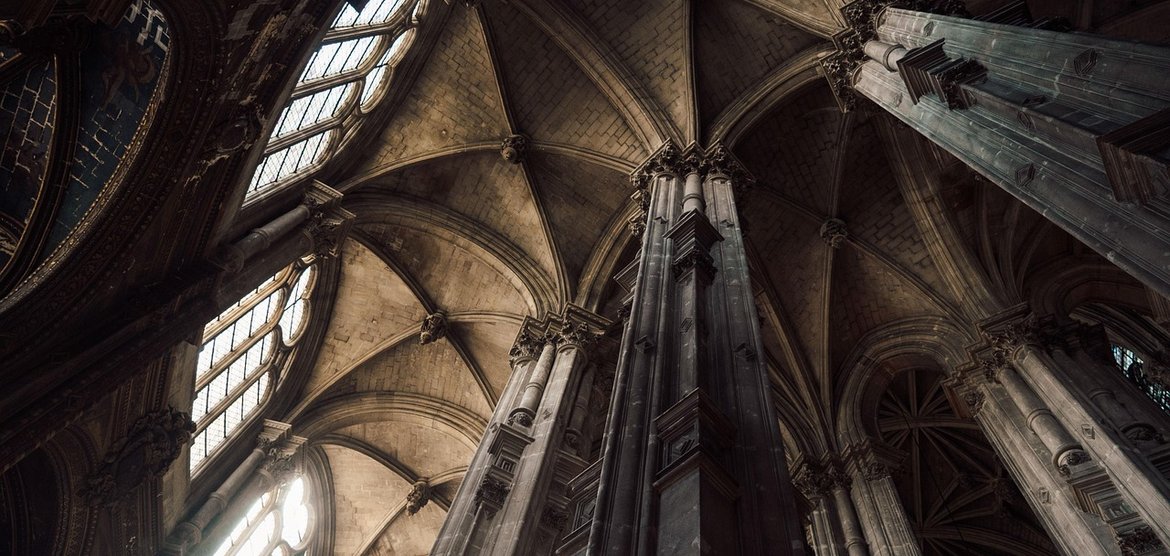
Pointed arches solved a structural problem in stone, and the same geometry solves a design problem in knitted lace.

Conclusion


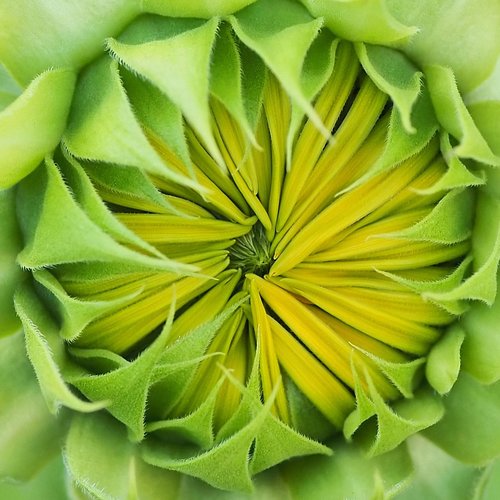
Sunflowers solved the problem of packing seeds evenly centuries before knitters solved the problem of placing increases, and they used the same math.


Elite author
Pointed arches solved a structural problem in stone, and the same geometry solves a design problem in knitted lace.
View all posts

03 Comments

Architects repeat modules to build rhythm, and so do knitters — here's how to translate a facade's grid into a wearable chart.

Alice Rose

Oct 1, 2026 at 3:12 pm

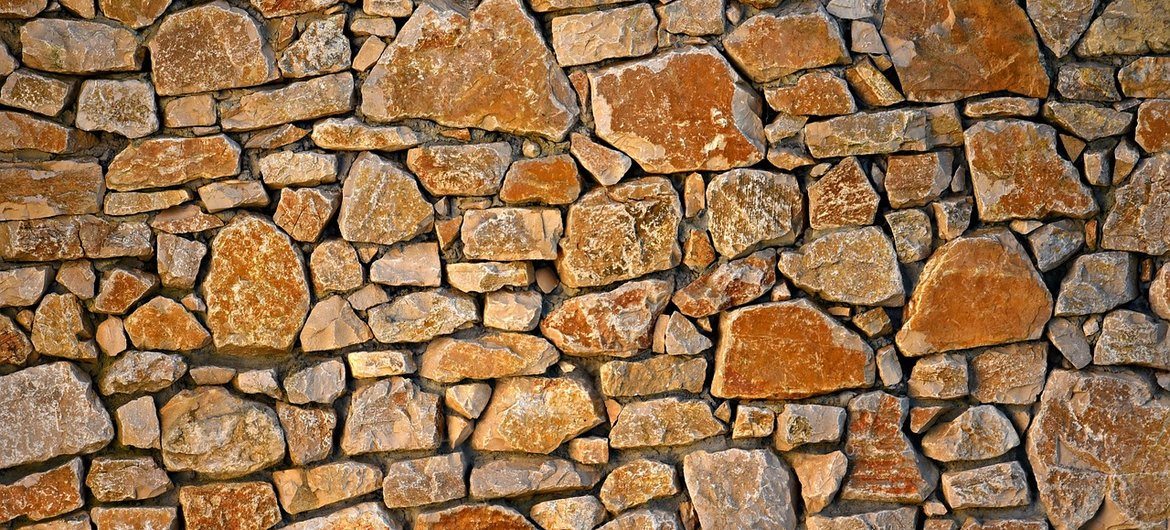
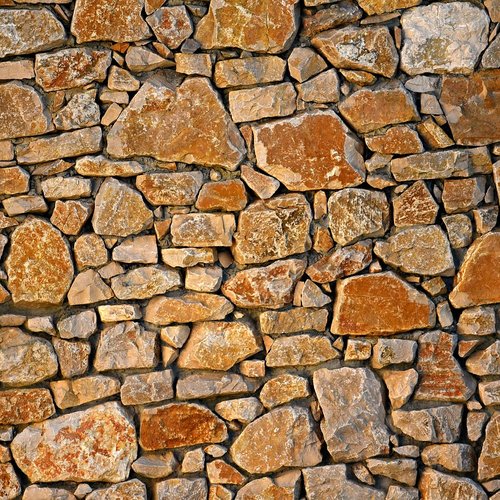
Masonry gets its strength from how units are stacked and bound — handspun yarn works the same way, and twist is your mortar.

O.Henry

Sep 14, 2026 at 3:12 pm

Openwork isn't just decorative — borrow the logic of a breeze block wall and knit a cardigan that breathes where you need it to.

Lima Azumi

Sep 24, 2026 at 3:12 pm

Leave a Reply