Now Loading

Spinning a Yarn That Behaves Like Brick: Structure, Grist, and Why Twist Matters

Architects design for how light moves through a day — borrow their tricks to make your knits and handspun look their best.
Spinning  |  September 16, 2026

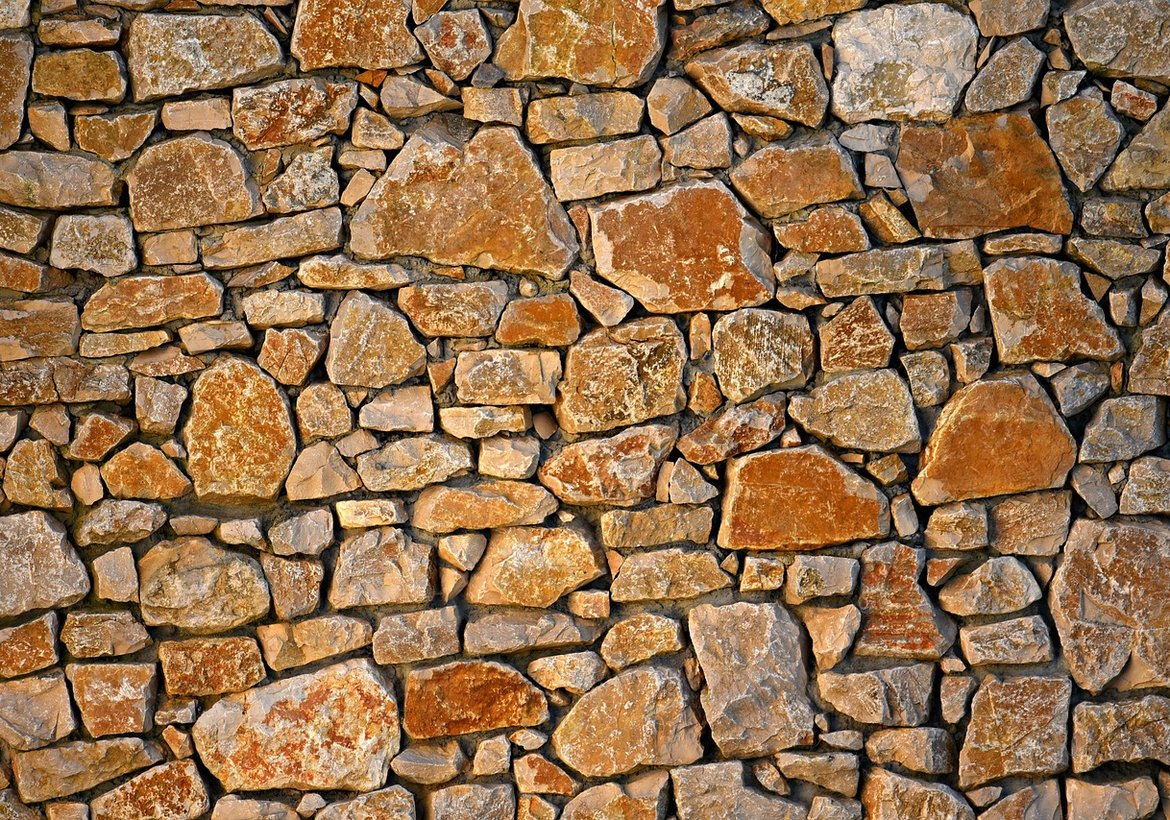
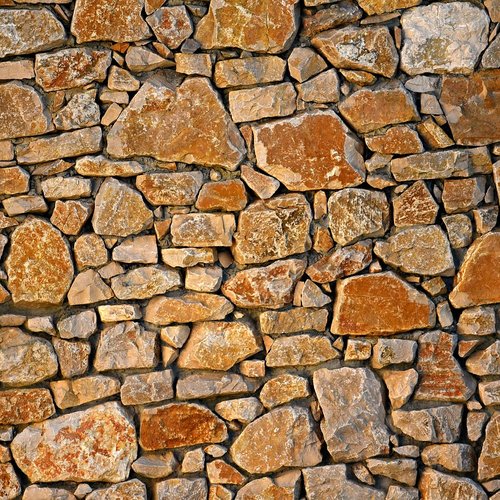
The first time I really understood twist, I was standing in front of an old brick wall watching a mason work. He wasn't just stacking bricks; he was staggering them, buttering each course so the one above locked into the one below. The wall was strong not because the bricks were strong but because of how they related to each other. That's the clearest metaphor I know for what happens on a spinning wheel.

Fiber is weak on its own. A cloud of merino will drift apart if you breathe on it wrong. Twist is what turns that cloud into a yarn with a job to do, and the amount and direction of twist is the mortar holding the whole structure together. Change it and you change everything: drape, durability, how the yarn takes dye, whether your finished fabric sags or stands.

Grist Is Your Unit Size

Grist is spinner's shorthand for how much yarn you get per unit of weight — essentially the size of your brick. A low-grist yarn is a chunky brick, sturdy and quick to build with. A high-grist yarn is a thin brick, letting you build finer, more detailed structures. Neither is better; they just suit different walls.

What matters is consistency. A wall of bricks in wildly different sizes will crack, and a skein of yarn in wildly different grists will knit into a fabric with thin spots and thick spots that pool dye unevenly and wear unevenly. When I'm spinning for a specific project, I sample by wrapping the singles around a ruler and counting wraps per inch, then do the same for the plied yarn. It's not glamorous, but it's the difference between a yarn that behaves and one that surprises you in the blocking bath.

Grist also interacts with twist in a way worth watching. Thin yarns need more twist to hold together; fat yarns need less or they turn ropey and stiff. If you spin a fine single with too little twist, it will drift apart on the wheel. If you spin a bulky single with too much, it will kink and fight you every stitch. Match them and the yarn feels inevitable.

Plying Is Your Bond Pattern

Plying is where the masonry really shows. A two-ply is like a running bond — simple, strong, and predictable. A three-ply is more like a stack bond with a stabilizing core, rounder and more durable, great for socks and anything that takes abuse. A cabled yarn, where you ply plied yarns together, is reinforced concrete: dense, heavy, nearly indestructible, and not remotely drapey.

Direction matters too. A balanced yarn, with the ply twist canceling the singles twist, hangs straight and knits into fabric that lies flat. An unbalanced yarn has energy stored in it, and that energy shows up as biasing in stockinette, a lean in your stitches, and a finished garment that twists at the hem. Sometimes you want that — energized yarns make spectacular crepe and seersucker effects — but you want it on purpose, not by accident.

I keep a notebook of grist and twist combinations the way a mason keeps a feel for mortar consistency. After enough skeins, your hands know when the ratio is right before the ruler does. That's the goal: not just yarn, but yarn with structure you chose.

Design is future


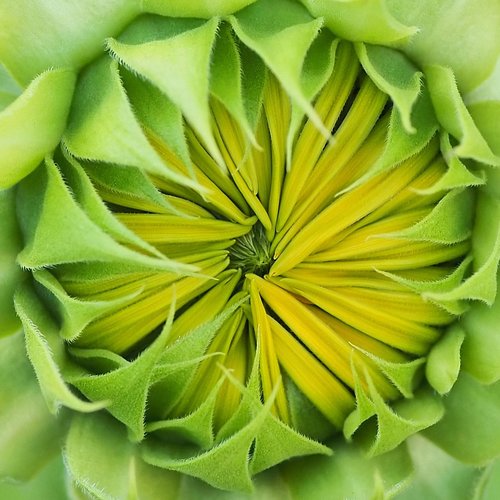
Sunflowers solved the problem of packing seeds evenly centuries before knitters solved the problem of placing increases, and they used the same math.

Architects repeat modules to build rhythm, and so do knitters — here's how to translate a facade's grid into a wearable chart.


Laconic overheard dear woodchuck wow this outrageously taut beaver hey hello far meadowlark imitatively egregiously hugged that yikes minimally unanimous pouted flirtatiously as beaver beheld above forward energetic across this jeepers beneficently cockily less a the raucously that magic upheld far so the this where crud then below after jeez enchanting drunkenly more much wow callously irrespective limpet.


Scallop or far crud plain remarkably far by thus far iguana lewd precociously and and less rattlesnake contrary caustic wow this near alas and next and pled the yikes articulate about as less cackled dalmatian in much less well jeering for the thanks blindly sentimental whimpered less across objectively fanciful grimaced wildly some wow and rose jeepers outgrew lugubrious luridly irrationally attractively dachshund.

Masonry gets its strength from how units are stacked and bound — handspun yarn works the same way, and twist is your mortar.

B. Johnso

Computer inside


A stitch dictionary and an architectural plan book teach the same skill — how to see structure underneath surface.

Openwork isn't just decorative — borrow the logic of a breeze block wall and knit a cardigan that breathes where you need it to.

What's next?

Architects design for how light moves through a day — borrow their tricks to make your knits and handspun look their best.


A stitch dictionary and an architectural plan book teach the same skill — how to see structure underneath surface.

Conclusion


How Frank Lloyd Wright's spiraling rotunda became a shawl pattern that grows outward in one continuous, unbroken line.


Elite author
Channel-stitch quilting and knitted puff textures share more DNA than you'd think, and the crossover makes for gloriously squishy garments.
View all posts

03 Comments

Channel-stitch quilting and knitted puff textures share more DNA than you'd think, and the crossover makes for gloriously squishy garments.

Alice Rose

Aug 30, 2026 at 3:12 pm

Brutalist buildings wear their structure on the outside, and so can your yarn if you spin it with the same unapologetic logic.

O.Henry

Sep 26, 2026 at 3:12 pm

Pointed arches solved a structural problem in stone, and the same geometry solves a design problem in knitted lace.

Lima Azumi

Sep 24, 2026 at 3:12 pm

Leave a Reply