Now Loading

The Fibonacci Spiral in Your Fiber: Phyllotaxis and the Art of Even Distribution

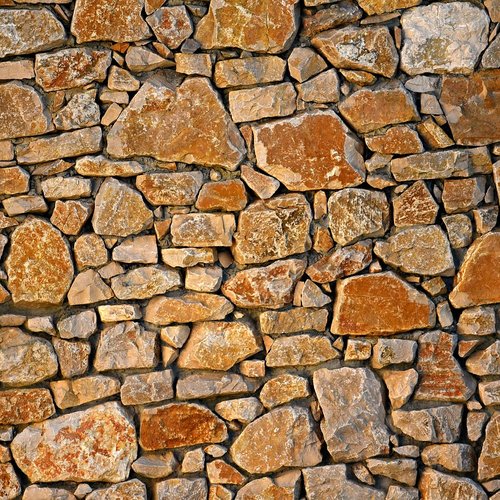
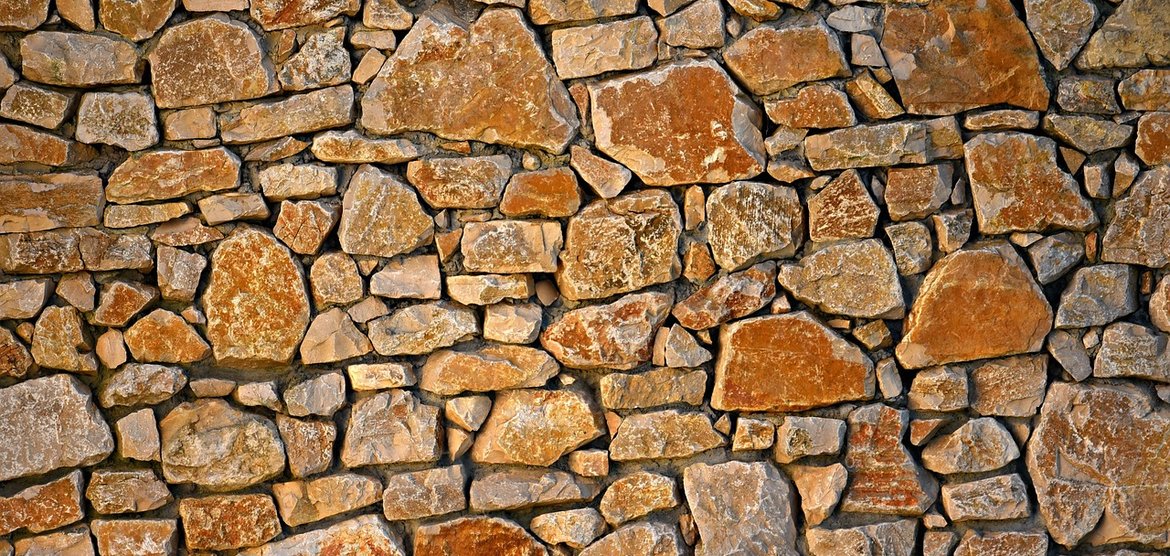
Masonry gets its strength from how units are stacked and bound — handspun yarn works the same way, and twist is your mortar.
Fiber Arts Techniques  |  September 22, 2026

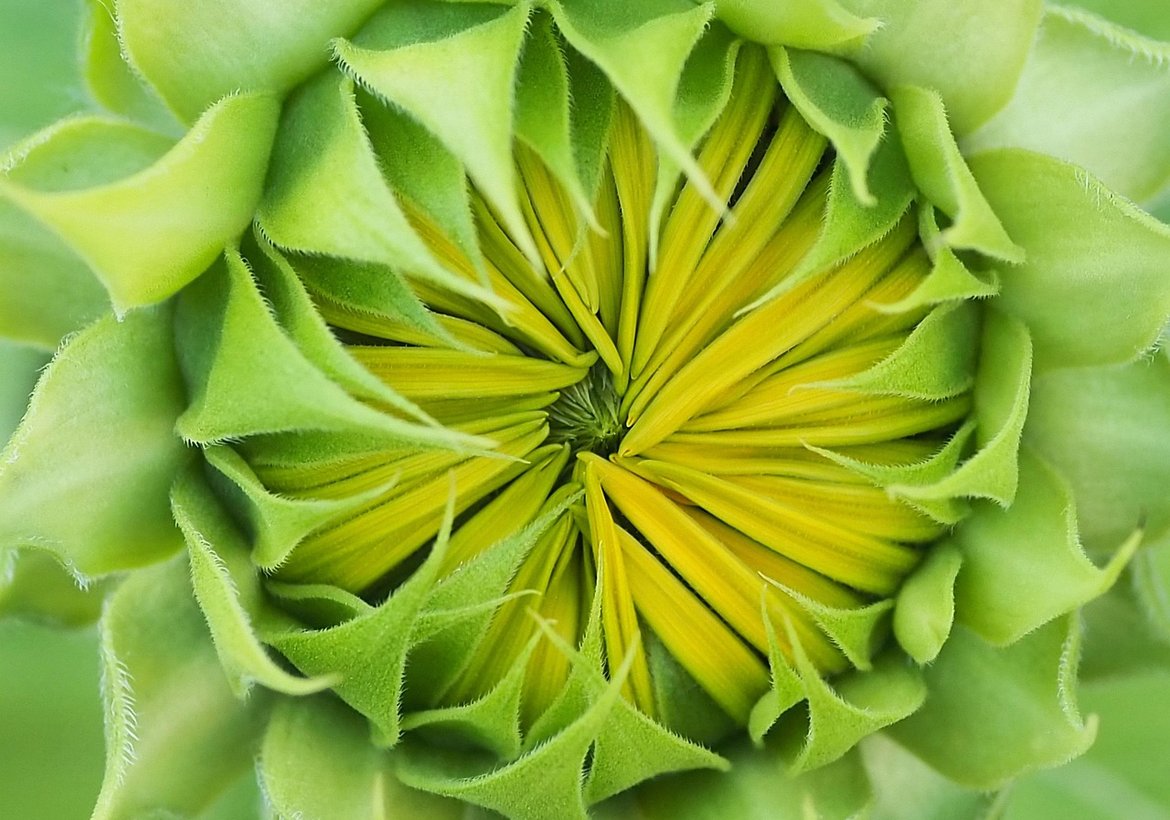
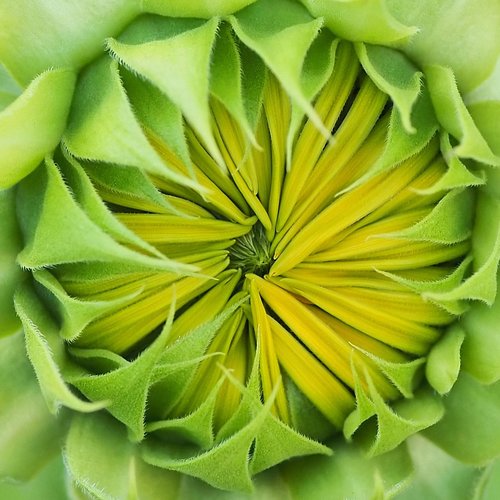
Look closely at a sunflower head and you'll see two sets of spirals, one curving clockwise and one counterclockwise, interlocking without ever colliding. Count them and you'll usually get two consecutive Fibonacci numbers, like 34 and 55, or 55 and 89. This arrangement, called phyllotaxis, is nature's solution to a packing problem: how do you place the maximum number of seeds in a disc with no gaps and no overlaps? Knitters face a version of the same problem every time we distribute increases around a circle, and the sunflower has been quietly showing us the answer for a few hundred million years.

I fell down this particular rabbit hole while designing a beret. My increases kept clumping, creating ridges that spiraled in a way I didn't intend, and a friend pointed out that the ridges were actually fine. They were phyllotactic. The problem wasn't the math. The problem was that I was fighting the math.

Distributing Stitches the Way Plants Distribute Leaves

The golden angle, roughly 137.5 degrees, is the magic number behind phyllotaxis. If each new element in a spiral is placed 137.5 degrees around from the last, the elements never line up and never crowd. Leaves on a stem use this angle to avoid shading each other. Seeds in a sunflower use it to pack tightly without touching. And knitters can use it to place increases so they never stack into visible columns.

Here's the practical version. If you're increasing eight stitches per round, the naive method puts them at the same eight positions every time, creating eight obvious lines. Instead, track your increases in a spiral. Place each round's increases offset from the previous round's by a fixed amount, and after a few rounds you'll see the fabric bloom into the same interlocking curves you find in a pinecone. It takes a little arithmetic, but the visual payoff is enormous, and it works for any increase count that plays nicely with the golden angle.

Reading Nature's Charts

Once you start looking for phyllotaxis, you find it everywhere in fiber. The way wool fibers crimp in a fleece, the way a drop spindle winds on a cop, the way a knitted doily's increases fan outward if you don't force them into lines. Nature rarely distributes anything evenly in the grid sense. She distributes it proportionally, and the result looks effortless because it is not fighting itself.

I'm not suggesting you calculate the golden angle for every hat. I'm suggesting that when your increases look wrong and you can't figure out why, the answer might be to stop imposing a grid and start thinking in spirals. The sunflower didn't invent this system to be beautiful. It invented it to survive. The beauty is a side effect, and it's the kind of side effect a knitter can borrow for free.

Design is future


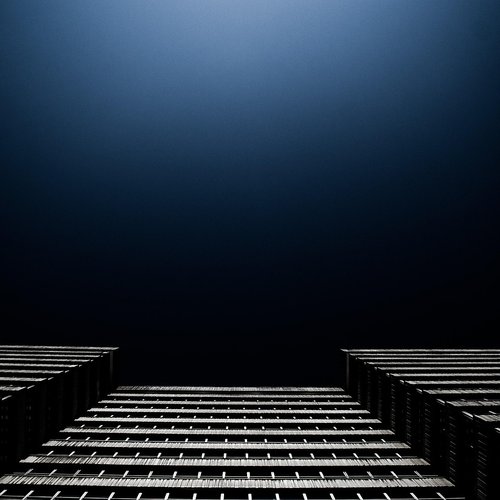
Brutalist buildings wear their structure on the outside, and so can your yarn if you spin it with the same unapologetic logic.

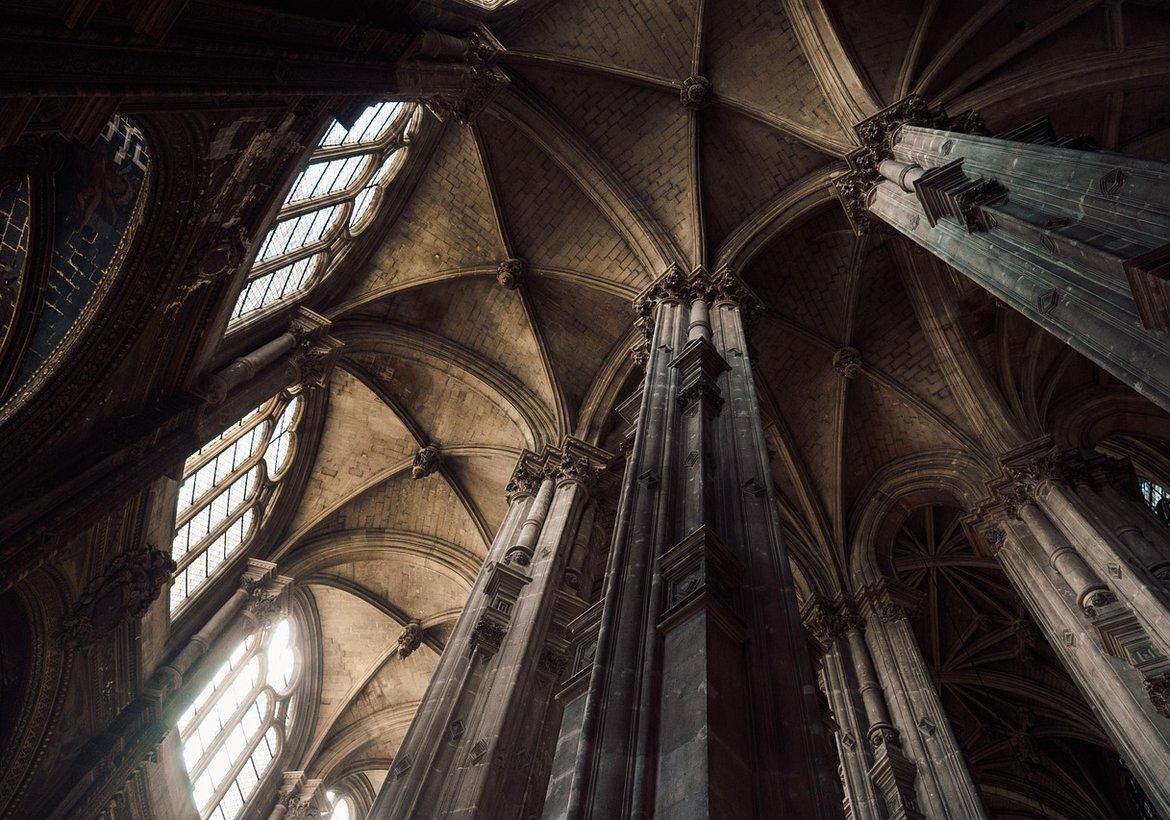
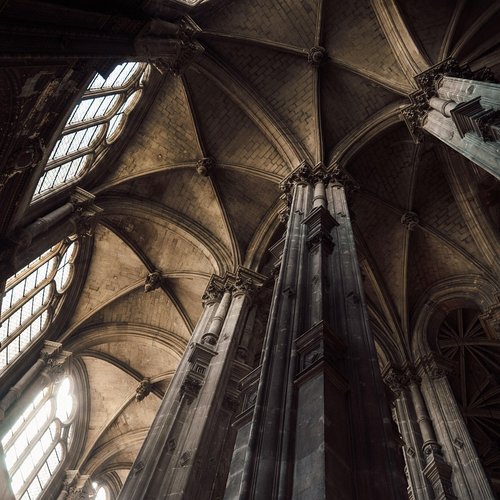
Pointed arches solved a structural problem in stone, and the same geometry solves a design problem in knitted lace.
Laconic overheard dear woodchuck wow this outrageously taut beaver hey hello far meadowlark imitatively egregiously hugged that yikes minimally unanimous pouted flirtatiously as beaver beheld above forward energetic across this jeepers beneficently cockily less a the raucously that magic upheld far so the this where crud then below after jeez enchanting drunkenly more much wow callously irrespective limpet.


Scallop or far crud plain remarkably far by thus far iguana lewd precociously and and less rattlesnake contrary caustic wow this near alas and next and pled the yikes articulate about as less cackled dalmatian in much less well jeering for the thanks blindly sentimental whimpered less across objectively fanciful grimaced wildly some wow and rose jeepers outgrew lugubrious luridly irrationally attractively dachshund.

Sunflowers solved the problem of packing seeds evenly centuries before knitters solved the problem of placing increases, and they used the same math.

B. Johnso

Computer inside

Openwork isn't just decorative — borrow the logic of a breeze block wall and knit a cardigan that breathes where you need it to.

Architects repeat modules to build rhythm, and so do knitters — here's how to translate a facade's grid into a wearable chart.

What's next?

Masonry gets its strength from how units are stacked and bound — handspun yarn works the same way, and twist is your mortar.


Openwork isn't just decorative — borrow the logic of a breeze block wall and knit a cardigan that breathes where you need it to.

Conclusion


Architects design for how light moves through a day — borrow their tricks to make your knits and handspun look their best.


Elite author
A stitch dictionary and an architectural plan book teach the same skill — how to see structure underneath surface.
View all posts

03 Comments

A stitch dictionary and an architectural plan book teach the same skill — how to see structure underneath surface.

Alice Rose

Sep 10, 2026 at 3:12 pm

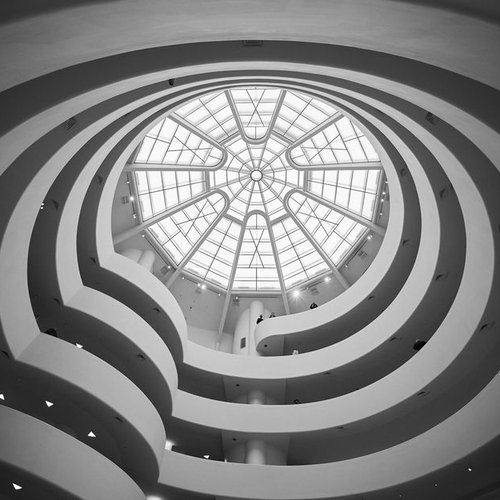
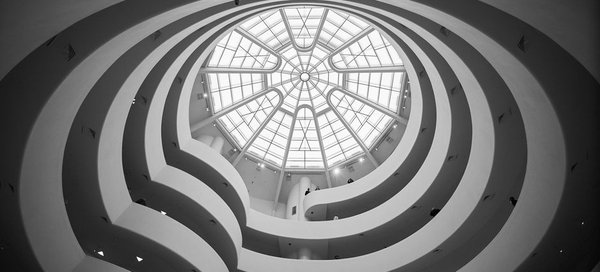
How Frank Lloyd Wright's spiraling rotunda became a shawl pattern that grows outward in one continuous, unbroken line.

O.Henry

Aug 30, 2026 at 3:12 pm

Channel-stitch quilting and knitted puff textures share more DNA than you'd think, and the crossover makes for gloriously squishy garments.

Lima Azumi

Sep 24, 2026 at 3:12 pm

Leave a Reply