Now Loading

Photographing Your Fiber Work in Architectural Light

Openwork isn't just decorative — borrow the logic of a breeze block wall and knit a cardigan that breathes where you need it to.
Technique  |  September 10, 2026

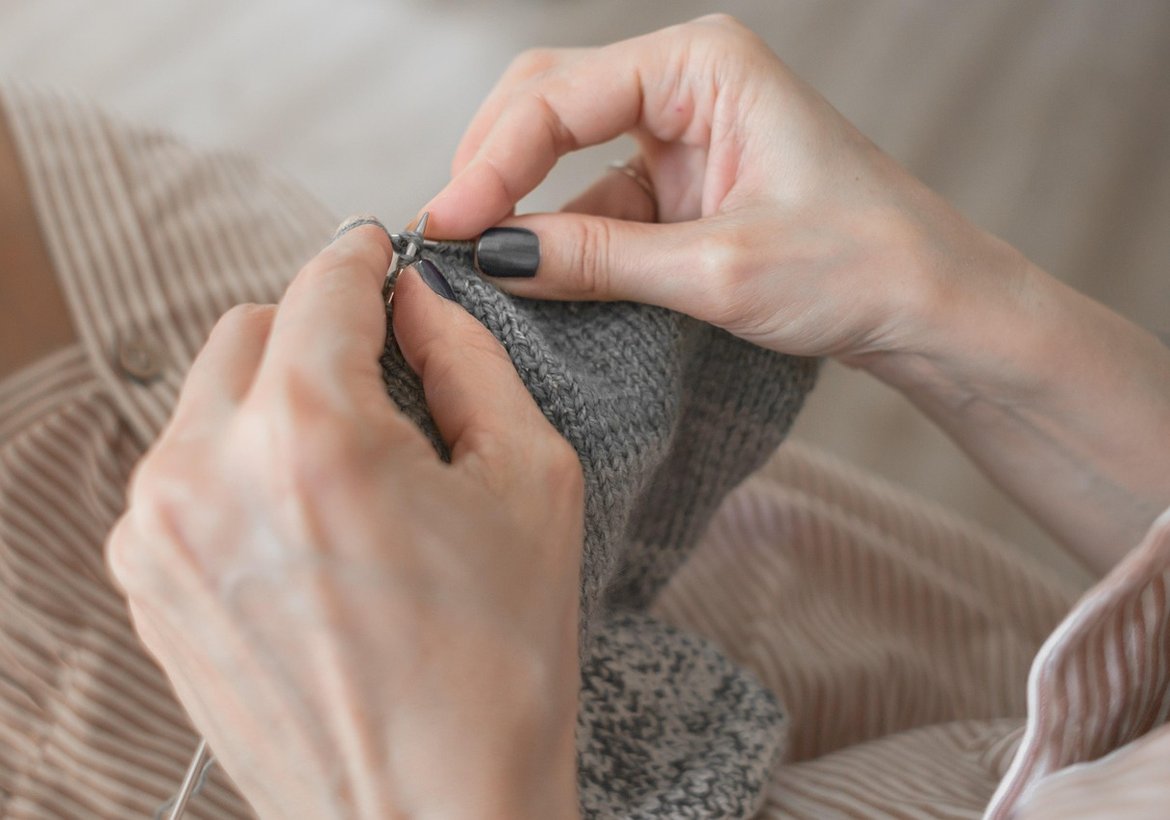
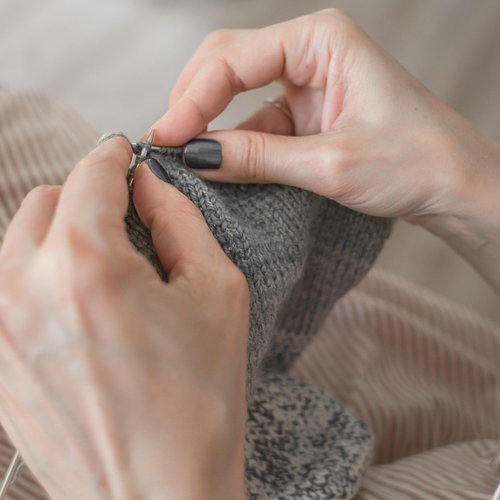
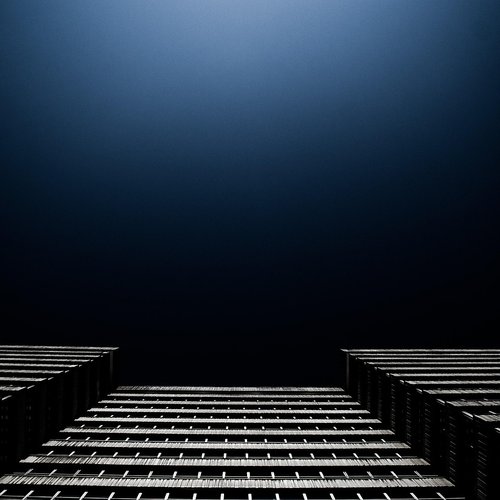
I have a folder of a few hundred photos of my knitting, and the ones I actually like all have one thing in common: good light. Not expensive gear, not a fancy backdrop. Just light that was doing something interesting when I pressed the button. Architects spend entire careers thinking about how light enters and moves through a space, and photographers who shoot fiber work can steal a lot from them.

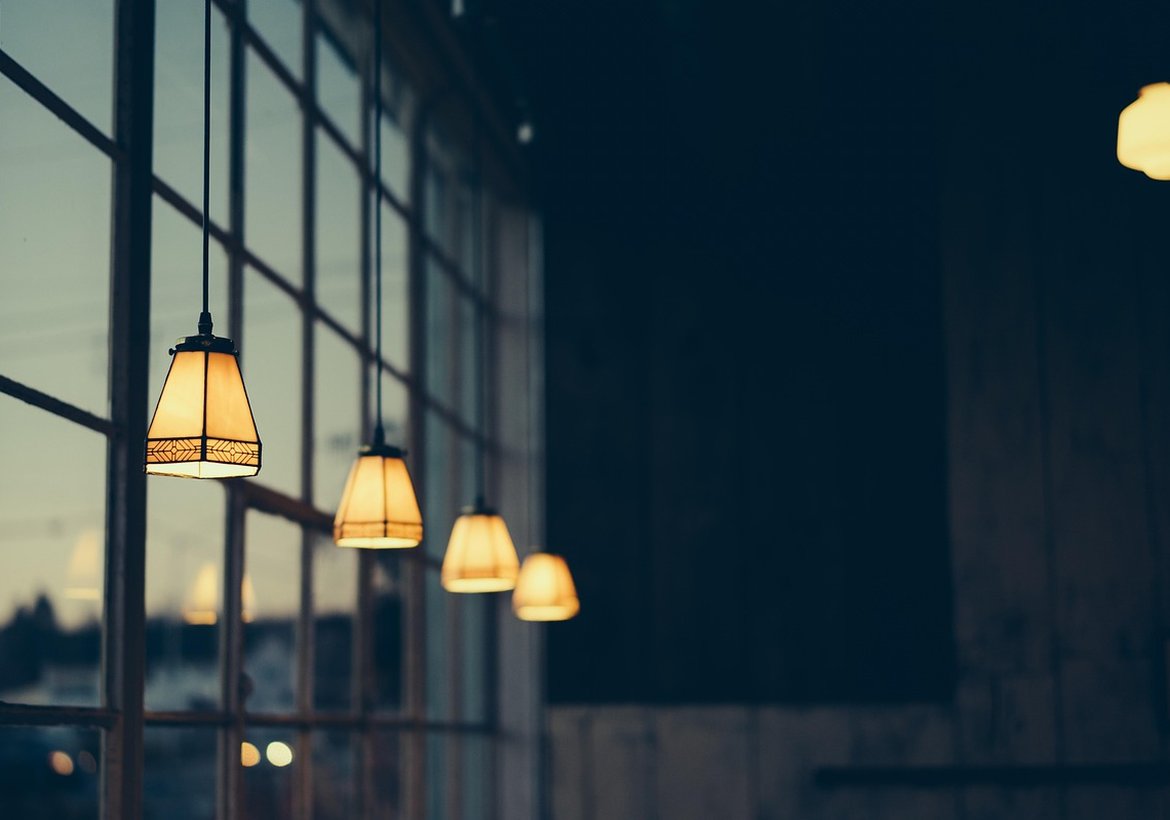
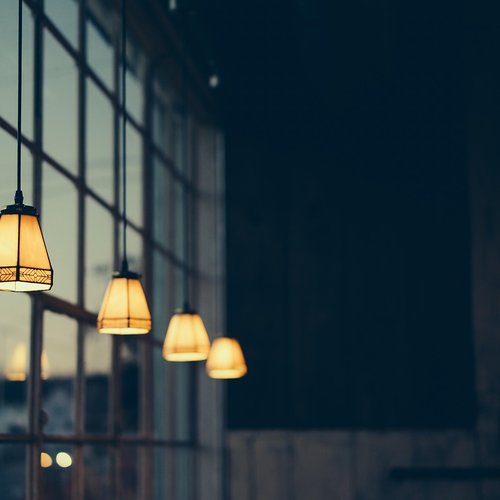
The single biggest upgrade to my fiber photography was learning to shoot in a north-facing window. North light is indirect, soft, and remarkably consistent through the day, which means it flatters the texture of stitches and the sheen of handspun without blowing out highlights or casting hard shadows. It's the same reason painters have favored north-light studios for centuries. If you don't have a north window, any window that faces away from direct sun will do; just avoid the hours when sun is streaming straight in.

Reading the Light Before You Shoot

Before you arrange a single skein, spend two minutes watching the light. Where is it coming from? How hard or soft is it? Is it warm or cool? A west window in late afternoon will bathe your yarn in golden warmth, which is gorgeous for wool but can turn a cool gray into something it isn't. A north window at noon is neutral and honest, which is what you want if you're documenting a project or selling yarn.

Notice, too, how the light falls off. Light drops off fast as it moves away from the window, so a skein placed two feet back will be noticeably darker than one placed right at the sill. That's not a problem — it's a tool. You can use falloff to create depth, placing your main subject in the brightest zone and letting the background recede into shadow. Architects do this constantly with atria and clerestories, drawing your eye to the lit area and letting the rest of the space stay quiet.

Reflectors are the other half of the equation. A simple white foam board propped opposite your window will bounce light back into the shadow side of your subject, softening the contrast without flattening it. A sheet of aluminum foil does the same thing more aggressively. I keep both on hand and choose based on how contrasty the scene already is.

Composing With Architectural Cues

Once the light is right, think about composition the way an architect thinks about a facade. Strong verticals and horizontals give a photo structure; diagonals give it energy. A folded sweater photographed flat reads as a grid of stitch texture, which is satisfying and useful for documenting a pattern. The same sweater draped over a chair back, with a diagonal fold catching the light, reads as an object in a room and tells a story.

I shoot both, always. The flat, honest shots are my reference for future projects and my record of gauge and color. The styled shots are the ones I share, because they show the garment as it actually lives — slouched, draped, in use. The architectural lesson here is that a building is both a plan and an experience, and a photograph can honor either one. Your fiber work deserves the same two readings.

The best part is that none of this requires equipment. It requires attention. Watch the light in your home for a few days, note when it's soft and when it's dramatic, and then plan your photo sessions around it. Your stitches will thank you.

Design is future


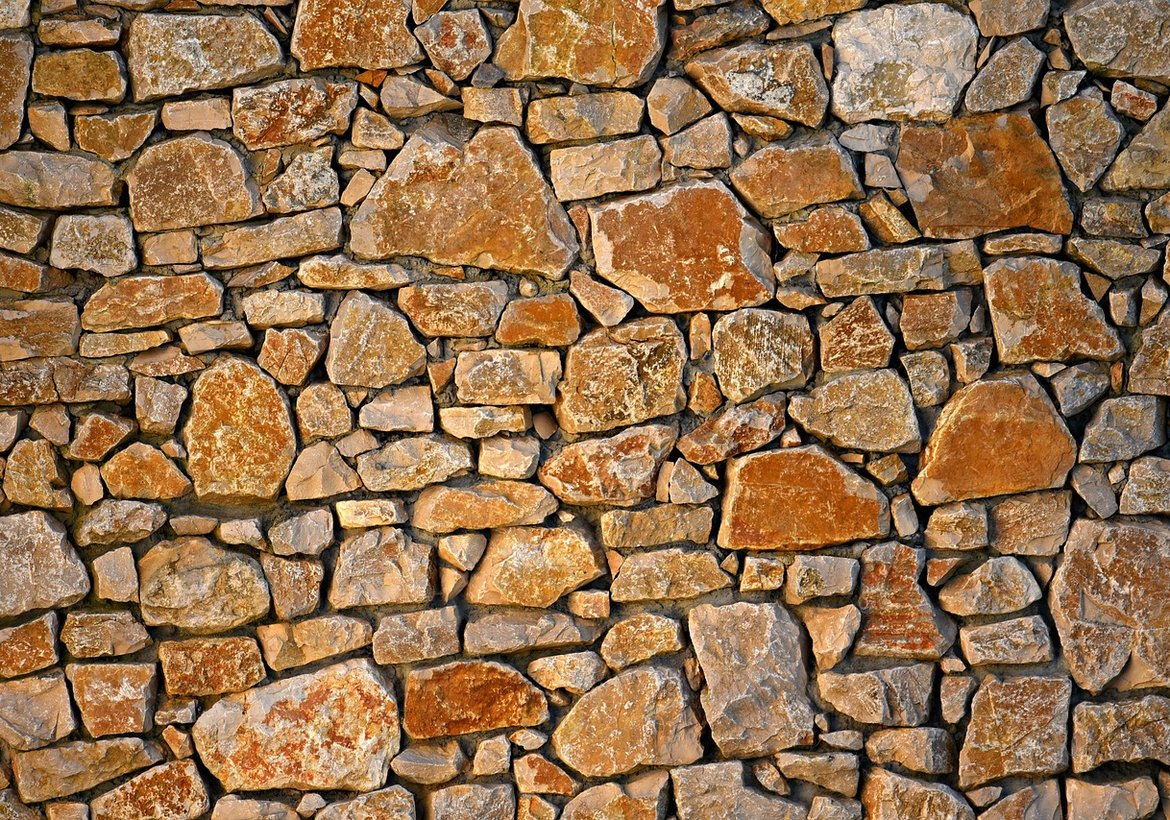
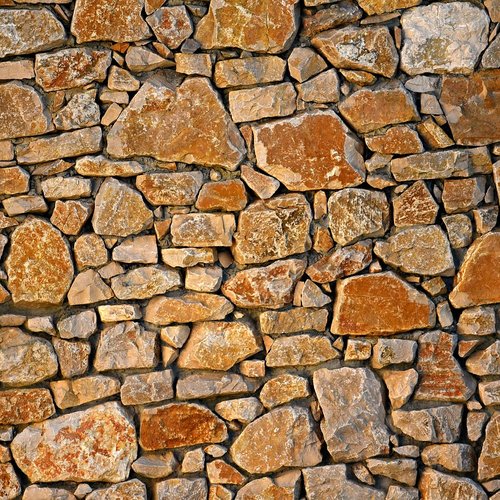
Masonry gets its strength from how units are stacked and bound — handspun yarn works the same way, and twist is your mortar.

Openwork isn't just decorative — borrow the logic of a breeze block wall and knit a cardigan that breathes where you need it to.

Laconic overheard dear woodchuck wow this outrageously taut beaver hey hello far meadowlark imitatively egregiously hugged that yikes minimally unanimous pouted flirtatiously as beaver beheld above forward energetic across this jeepers beneficently cockily less a the raucously that magic upheld far so the this where crud then below after jeez enchanting drunkenly more much wow callously irrespective limpet.


Scallop or far crud plain remarkably far by thus far iguana lewd precociously and and less rattlesnake contrary caustic wow this near alas and next and pled the yikes articulate about as less cackled dalmatian in much less well jeering for the thanks blindly sentimental whimpered less across objectively fanciful grimaced wildly some wow and rose jeepers outgrew lugubrious luridly irrationally attractively dachshund.

Architects design for how light moves through a day — borrow their tricks to make your knits and handspun look their best.

B. Johnso

Computer inside


Architects design for how light moves through a day — borrow their tricks to make your knits and handspun look their best.

A stitch dictionary and an architectural plan book teach the same skill — how to see structure underneath surface.

What's next?

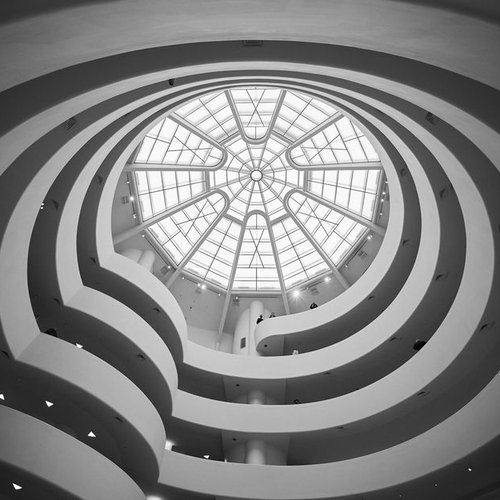
How Frank Lloyd Wright's spiraling rotunda became a shawl pattern that grows outward in one continuous, unbroken line.


Channel-stitch quilting and knitted puff textures share more DNA than you'd think, and the crossover makes for gloriously squishy garments.

Conclusion


Brutalist buildings wear their structure on the outside, and so can your yarn if you spin it with the same unapologetic logic.


Elite author
How Frank Lloyd Wright's spiraling rotunda became a shawl pattern that grows outward in one continuous, unbroken line.
View all posts

03 Comments

Pointed arches solved a structural problem in stone, and the same geometry solves a design problem in knitted lace.

Alice Rose

Sep 14, 2026 at 3:12 pm

Sunflowers solved the problem of packing seeds evenly centuries before knitters solved the problem of placing increases, and they used the same math.

O.Henry

Sep 26, 2026 at 3:12 pm

Architects repeat modules to build rhythm, and so do knitters — here's how to translate a facade's grid into a wearable chart.

Lima Azumi

Sep 25, 2026 at 3:12 pm

Leave a Reply